Smile Doll: A Font That Brings Joy to Editorial Design
There’s something undeniably charming about the way a font can shape the tone of an entire publication. When I was redesigning the header for my lifestyle blog, I knew I needed a typeface that felt both playful and professional. Enter Smile Doll. This display font isn’t just visually striking—it’s a character in its own right, with a personality that feels like it was handcrafted for editorial use.
A Whimsical Typeface with Real Purpose
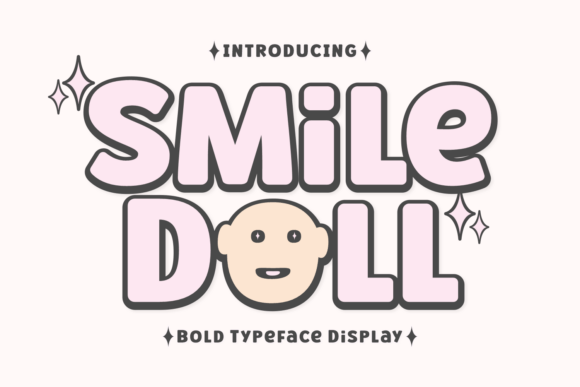
Smile Doll is a bold and whimsical display font that exudes a sense of fun and authenticity. Its hand-drawn style gives it a unique charm, making it feel like it was created with care and intention. The curves are soft, the strokes are expressive, and the overall rhythm of the letters feels natural and inviting. It’s not just a font—it’s a mood, a vibe, and a visual anchor for any project that needs a touch of warmth and playfulness.
I first used Smile Doll as the main title font for a new recipe ebook I was working on. The result was immediately noticeable. The font added a sense of joy and approachability that made the content feel more personal and engaging. Readers didn’t just see the words—they felt them.
Where Smile Doll Shines
Smile Doll is particularly well-suited for titles, pull quotes, and decorative accents. It works beautifully as a headline font in blog posts, magazine covers, and newsletter headers. Its bold presence makes it ideal for drawing attention without overwhelming the reader. However, it’s important to note that while Smile Doll is excellent for short text, it may not be the best choice for long-form reading due to its stylized nature.
In my recent work on a wedding guide, I paired Smile Doll with a clean sans serif font for body copy. This contrast helped maintain readability while allowing the title to stand out. The combination created a balance between visual interest and practicality, ensuring the content remained accessible and engaging.
Practical Uses Across Editorial Projects
- Blog Headers: Smile Doll adds a fresh, modern feel to blog headers without sacrificing readability.
- Magazine Covers: Its whimsical aesthetic makes it perfect for fashion, lifestyle, or creative publications.
- Ebook Titles: The font’s playful nature aligns well with content that’s meant to be both informative and enjoyable.
- Newsletter Graphics: It’s great for section headings, pull quotes, and decorative elements that add visual flair.
- Printable Guides: Whether it’s a planner, worksheet, or coaching workbook, Smile Doll brings a sense of creativity and warmth.
When designing a digital magazine layout, I found that using Smile Doll for chapter openers and cover text helped create a cohesive brand identity. It gave each section a distinct yet connected feel, reinforcing the publication’s voice and style.
Readability Considerations
While Smile Doll is visually appealing, it’s essential to consider how it performs across different mediums. On screens, the font should be used sparingly to avoid cluttering the page. For mobile layouts, ensure there’s enough white space around the text to maintain clarity. In PDF exports and print materials, the font’s stroke weight and spacing should be checked to ensure it remains legible at smaller sizes.
For long-form content, it’s recommended to use Smile Doll only in headlines, subheadings, or pull quotes. Using it for body copy could make the text harder to read, especially for those with visual impairments or reading difficulties.
Font Pairing Tips
To maximize the effectiveness of Smile Doll, pair it with a readable serif or sans serif font for body copy. This creates a clear visual hierarchy and ensures the content remains accessible. For example, using a modern sans serif font like Montserrat or Lato alongside Smile Doll can provide a balanced and professional look.
When designing for social media graphics or web design, consider using Smile Doll for captions and navigation elements. Its playful nature complements the casual tone of these platforms while still maintaining a level of professionalism.
Design Assets and Licensing
Before using Smile Doll in any commercial project, it’s important to check the included styles, alternates, ligatures, weights, and multilingual support. These features can enhance the font’s versatility and ensure it meets your specific design needs. Additionally, verify the file formats and commercial font licensing to ensure compliance with any usage restrictions.
Whether you’re creating a course PDF, a printable planner, or a digital magazine, Smile Doll offers a unique blend of style and functionality. It’s a font that speaks to the heart of editorial design—bringing warmth, personality, and a touch of whimsy to every project it touches.